
Urgent Optimism at ForestPlanet
There’s a quiet epidemic spreading through conversations about climate change: the belief that it’s already too late. That the scale of the problem has outrun our capacity to solve it.
Data scientist Hannah Ritchie has a word for this: doomerism. And in a recent Big Think video, she dismantles it methodically. Her argument isn’t cheerful denial — it’s what she calls being an “urgent optimist.” History, she shows, is full of environmental crises we declared unsolvable and then solved.
On climate specifically, Ritchie identifies four levers: clean electricity, electrifying transportation and heat, addressing land use, and drawing carbon back out of the atmosphere. The first three are increasingly within reach. The fourth is where trees come in.
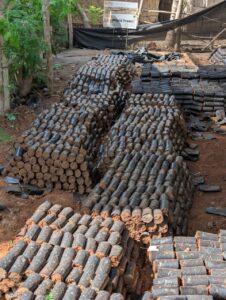
Thousands of soil tubes ready for their seeds.
Case Study: Where It Happens
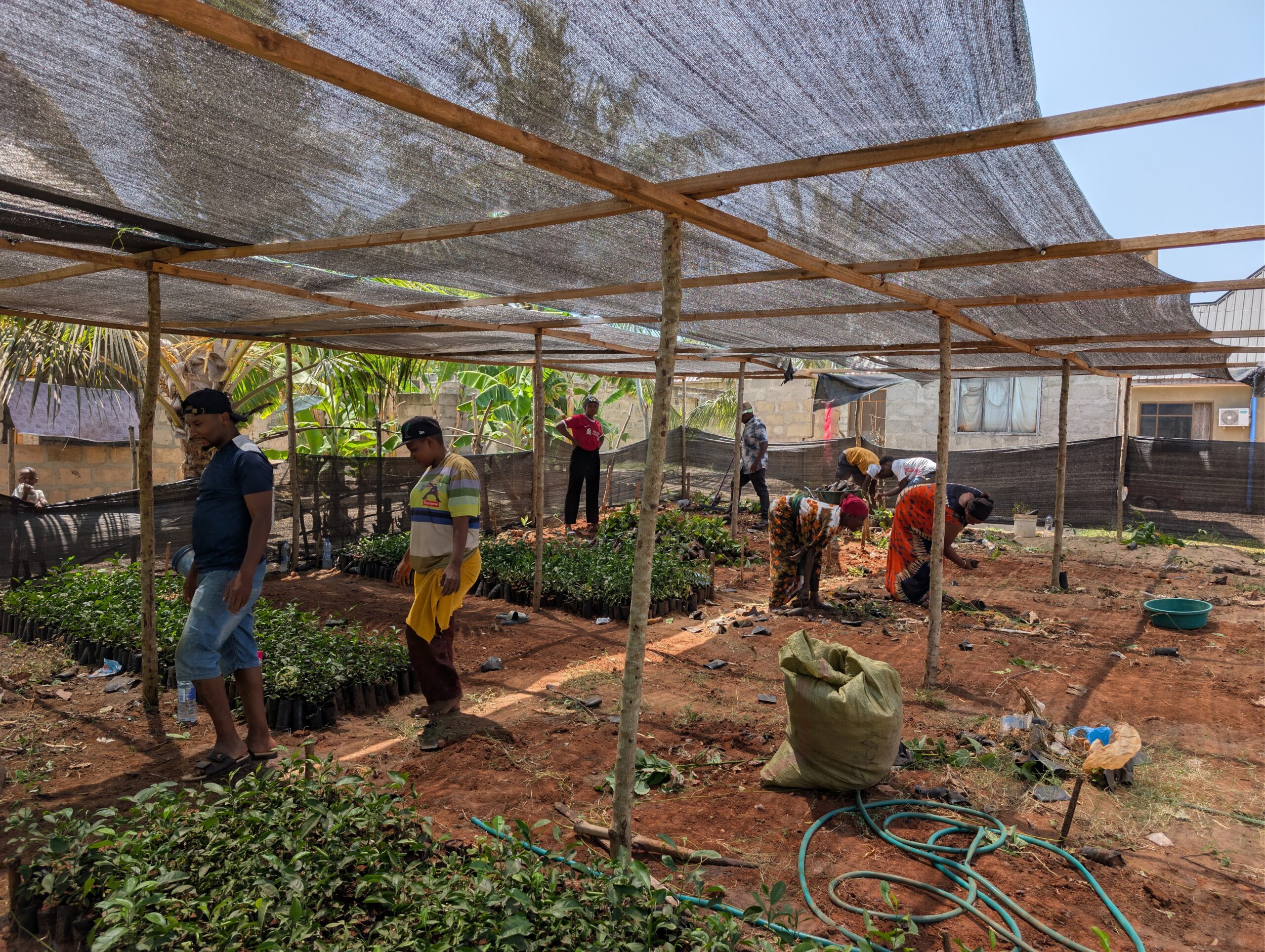
This is what the fourth lever can look like on the ground. In Tanzania, ForestPlanet hired a woman named Esther to manage a community fruiting tree nursery — cashew, avocado, mango — that recently graduated 25,000 seedlings from her back yard to their forever homes. Fifteen thousand went to 150 families. Eight thousand to communal village land. Two thousand to local schools.
But the program was designed with a second purpose: to protect the nearby mangroves that villagers had been harvesting for lumber. To receive their trees, families made a public promise to leave the mangroves alone. It’s a straightforward bargain: fruiting trees offer long-term value in the form of income and food security, more so than the short-term cash generated from harvesting mangroves for timber. The bargain is holding.
This is how ForestPlanet operates: not through top-down mandates, but through community nurseries led by people like Esther, all at a low cost. The math is simple. The human reality behind it is what makes it work.
A Model That Scales
In Swahili, “pole pole“ (pronounced po-lay po-lay) literally translates to “slowly, slowly.” More than just a translation, it is a way of life in East Africa—a calming, deliberate philosophy that encourages taking life one step at a time, being patient, and avoiding the rush… while still working towards a clearly defined goal.
Esther’s nursery didn’t require heavy infrastructure, outside expertise, or years of groundwork. It required a person with community roots, a patch of land, and a little support. Twenty-five thousand trees later, her village and many others are asking for more.
It’s a successful model, and it can easily scale up.
We’re preparing to launch a Kickstarter campaign to fund the next family-based nursery — Esther’s nursery 2.0. For around $10,000US we can stand up another nursery and pole pole start making a big impact.
Another community, and another 25,000 tree seedlings (or more). Another set of families with fruit on their land, cash in the bank, and both water and carbon retained in the soil.
Our work may never appear on Hannah Ritchie’s charts, but the logic is the same: find what works, replicate it, and let the results compound. Multiply one Esther by thousands — across Tanzania, across the continent, across the planet — and the collective impact starts to show up in places that matter.
If that sounds like something worth backing, please stay tuned.

Healthy Seedlings
Every tree planted is a step toward a more stable climate and stronger communities. Please visit our Linktree to see the different ways that you can participate.